Constructing Success: The Way General Contractors Bring Your Projects to Fruition
General contractors are crucial in the construction industry, operating as the central pillar in project execution. They handle diverse elements, from supervising subcontractors to guaranteeing compliance with regulations. Their expertise not only enhances processes but also aids in keeping budgetary constraints. However, the nuances of their role extend beyond mere management. Understanding how they manage challenges and build collaboration can demonstrate the keys to successful project outcomes. What strategies do they use to verify every aspect aligns with client expectations?
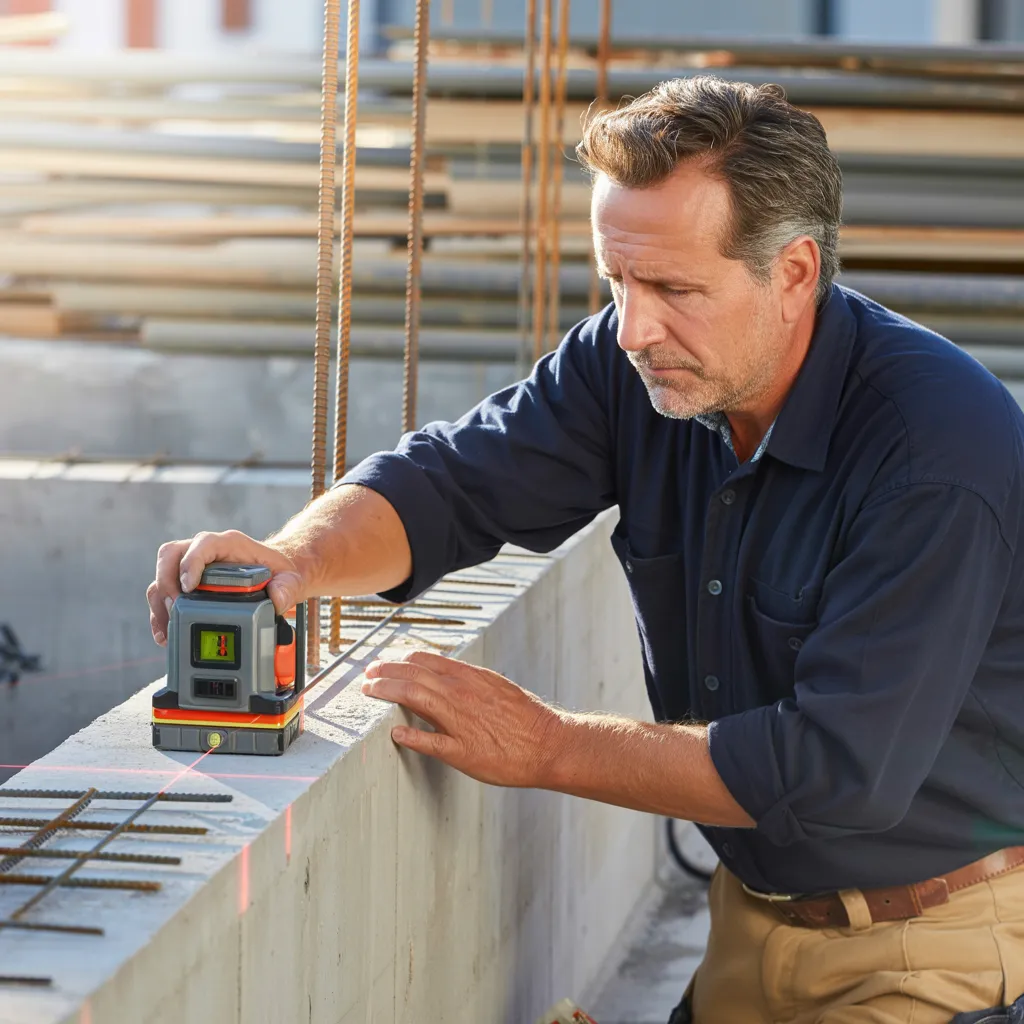
Grasping the Role of General Contractors in Building
Though numerous individuals may not fully understand the detailed nature of the construction industry, the position of general contractors is crucial in securing project success. General contractors work as the main point of contact for clients, supervising the complete construction process from beginning to end. They are in charge of coordinating subcontractors, overseeing schedules, and guaranteeing compliance with area regulations and safety standards.
A general contractor's expertise enables them to navigate challenges that may arise during the construction phase, such as budget constraints and unforeseen delays. They also facilitate communication between various stakeholders, including architects, engineers, and clients, to maintain project alignment. Furthermore, general contractors are responsible for sourcing materials and overseeing on-site operations, which are essential for sustaining workflow productivity. By applying their proficiency and practical experience, general contractors fulfill a critical role in bringing project ideas to fruition, ultimately supporting the total achievement of construction initiatives.
Fundamental Phases in Project Management for Contractors
Proper project management is essential for general contractors to guarantee the successful execution of construction projects. The process generally begins with project initiation, where contractors determine project goals and scope. Next, planning involves creating timelines, establishing milestones, and identifying required resources. This stage is essential for aligning expectations among stakeholders.
Once planning is finished, the execution phase commences, where contractors coordinate teams, manage subcontractors, and oversee daily operations to maintain adherence to the project schedule. Regular monitoring and controlling come next, permitting contractors to assess progress, address problems, and implement needed adjustments.
Lastly, project closure involves final inspections, obtaining approvals, and ensuring all contractual obligations are met. This stage also involves documenting lessons learned, which supports future project success. By adhering to these essential stages, general contractors can effectively manage projects, ensuring they meet quality standards and deadlines while fostering positive relationships with clients and stakeholders.
Cost Control and Budgeting Approaches for General Contractors
Budget management and expense control are essential for general contractors to guarantee project success and profitability. Effective budget planning lays the foundation for financial stability, while cost control measures facilitate adjustments throughout the project lifecycle. Collectively, these methods aid in minimize potential issues and ensure project progress.
Successful Budget Organization
Successful budget planning is essential for general contractors seeking to finish projects within financial constraints. This process commences with a thorough assessment of project requirements, including labor, materials, and equipment costs. By creating a detailed budget that outlines projected expenses, contractors can foresee potential financial challenges. Effective budget planning also requires soliciting multiple bids from subcontractors to guarantee competitive pricing. Additionally, incorporating a contingency fund allows for unforeseen expenses without derailing the project. Consistently updating the budget as the project progresses helps maintain financial control. By emphasizing accurate forecasting and careful cost estimation, general contractors can not only stick to their budgets but also boost overall project efficiency and client satisfaction.
Cost Tracking Methods
Cost monitoring techniques are essential for general contractors aiming to sustain financial control throughout the duration of a project. Sound budgeting and cost control strategies enable contractors to follow expenditures, predict potential overruns, and revise plans accordingly. Frequently updating cost estimates and contrasting them against actual spending permits timely decision-making. Utilizing software tools can simplify this process, delivering real-time data analysis and reporting. In addition, implementing a change order management system helps to document and manage any modifications in project scope, limiting unexpected costs. Consistent financial reviews with stakeholders maintain transparency and accountability. By employing these techniques, general contractors can improve project efficiency, ultimately contributing to improved profitability and successful project completion.
The Way Contractors Manage Permits and Regulatory Requirements
Working through the complex network of permits and regulations is a vital aspect of a contractor's role in any construction project. Contractors must have a thorough understanding of state, federal, and local requirements to guarantee compliance and avoid costly delays. They commence by investigating necessary permits and zoning laws applicable to the project location, establishing a foundation for compliance to legal standards.
Once the needed permits are established, contractors often partner with architects and engineers to develop the required documentation, ensuring all designs comply with regulatory standards. They also serve a crucial role in submitting applications and coordinating with government agencies, effectively navigating the bureaucratic processes involved.
In addition, contractors keep informed about changes in regulations and building codes, allowing them to proactively adapt project plans when necessary. This meticulous attention to detail not only streamlines the permitting process but also secures the project against potential legal issues down the line.
How Effective Scheduling Drives Project Success
Well-planned scheduling works as the backbone of any construction project, ensuring that tasks are accomplished promptly and resources are utilized efficiently. A systematically arranged schedule allows general contractors to establish project timelines, allocate resources appropriately, and coordinate various activities effectively. By establishing clear deadlines, contractors can oversee progress, identify potential delays, and implement corrective measures quickly.
Additionally, well-planned scheduling promotes better communication among team members, boosting collaboration and limiting misunderstandings. It supports the timely procurement of materials and the punctual arrival of labor, which are vital for sustaining project momentum. Additionally, an all-encompassing schedule includes contingencies, aiding in mitigate risks associated with unforeseen challenges.
In the end, efficient scheduling not only supports conformity to deadlines and budget constraints but also improves the overall quality of the construction project. Prioritizing this aspect can significantly influence the success and satisfaction of all stakeholders involved.
How General Contractors Collaborate With Subcontractors and Suppliers
During the management of a construction project, general contractors must develop strong collaborative relationships with subcontractors and suppliers to secure the project's success. Productive collaboration begins with clear communication, guaranteeing that all parties grasp their roles, responsibilities, and timelines. General contractors frequently conduct pre-construction meetings to harmonize expectations and address any potential challenges.
Furthermore, general contractors leverage subcontractors' specialized skills to elevate project efficiency. By picking subcontractors with verified expertise, they make certain that each aspect of the project is executed to high standards. Regular check-ins and progress updates also facilitate collaboration, allowing for timely adjustments and problem-solving.
Suppliers fulfill an essential function as well; general contractors establish and maintain relationships with trustworthy suppliers to ensure timely delivery of materials. This collaboration between subcontractors and suppliers helps mitigate delays and promotes adherence to project schedules, consequently leading to successful project completion and client satisfaction.
Guaranteeing Quality Control and Customer Satisfaction During the Project
Guaranteeing quality control and client satisfaction is vital for general contractors throughout a project's lifecycle. Establishing effective quality assurance processes, offering regular progress updates, and maintaining open communication channels are essential components of this process. These strategies not only enhance project outcomes but also build trust between contractors and their clients.
Quality Control Processes
Establishing comprehensive quality assurance procedures is vital for general contractors to maintain high standards and guarantee client satisfaction throughout a project. These protocols involve systematic inspections and assessments at various stages of construction. By creating clear benchmarks and quality metrics, contractors can ascertain that all work meets industry standards and client specifications. Regular training and certification for workers also strengthen quality control, promoting a culture of excellence on-site. Furthermore, engaging reliable suppliers and subcontractors enhances overall project integrity. Documenting every phase of the construction process allows for transparency and accountability, allowing contractors to address any issues promptly. Ultimately, effective quality assurance processes not only secure the project's success but detailed information also foster lasting relationships with clients through trust and reliability.
Regular Progress Updates
Robust quality assurance protocols pave the way for the importance of regular progress updates in construction projects. These updates serve as vital checkpoints, empowering general contractors to oversee the progress of work against the established timeline and budget. By regularly reviewing project milestones, contractors can spot potential issues before they expand, ensuring that quality standards are maintained. Regular progress updates also promote a sense of accountability among team members, nurturing a culture of excellence throughout the project. Furthermore, they offer clients with essential insights into the ongoing construction process, enhancing their understanding and satisfaction. Finally, these updates are critical for maintaining transparency, managing expectations, and verifying that the final deliverable meets the client's vision and requirements.
Transparent Communication Pathways
As the construction process progresses, maintaining open communication channels is critical for upholding quality control and ensuring client satisfaction. General contractors facilitate this by establishing regular check-ins and feedback loops among all stakeholders, including clients, subcontractors, and suppliers. These interactions enable the timely identification of issues, permitting swift resolutions that prevent delays and maintain project integrity. Furthermore, transparency in communication fosters trust, empowering clients to voice concerns and suggestions throughout the project lifecycle. By leveraging digital tools and platforms, contractors can streamline information sharing, guaranteeing that everyone remains informed and aligned with project goals. In the end, effective communication not only enhances quality control but also reinforces the overall client experience, leading to successful project outcomes.
FAQ
What Credentials Do I Need to Seek in a General Contractor?
In selecting a general contractor, it's essential to prioritize qualifications including proper licensing, insurance coverage, robust references, relevant experience, effective communication skills, and a proven track record of delivering projects within budget and on time.
How Will General Contractors Tackle Unexpected Project Difficulties?
Contractors handle unexpected project challenges through proactive approaches, clear communication with stakeholders, and drawing upon their experience. They adjust plans, manage resources efficiently, and often partner with specialists to identify ideal solutions, maintaining project continuity.
Am I Able to Communicate Directly With Subcontractors During the Project?
Direct contact with subcontractors during a project is usually not advised, as it can cause confusion and mismanagement. In contrast, it is best to communicate through the general contractor to maintain organization and clarity throughout the project.
What Warranties Do General Contractors Typically Offer on Their Work?
General contractors commonly provide warranties spanning one to ten years, including workmanship, materials, and structural integrity. These warranties guarantee that any issues or concerns developing throughout the indicated term will be handled swiftly.
How Do I Evaluate a Contractor's Record of Past Projects?
To evaluate a contractor's past project success, one should review completed projects, check client references, evaluate compliance with budgets and timelines, and confirm the quality of workmanship through physical inspections or photos of previous work.